01
Beacon Atlas™
Spatial Intelligence
Detail — forthcoming

Across the built environment, biological risk is still treated as a maintenance event rather than a continuous operational signal.
Termites, rodents, mould, moisture and timber decay are not isolated maintenance events. They are observable signals of a continuous biological pressure on every building — and that pressure is rarely measured.
An emerging operational discipline for understanding biological pressure as part of how buildings are run.
The Framework is developed and stewarded by Beacon Bio — an independent research initiative based in Queensland. The work is not owned. It is intended to evolve through field practice, collaboration and continuous observation across the industry.
Yet biology remains largely invisible.
Most biological risk is still managed through periodic inspections and reactive maintenance — an approach largely unchanged for decades, while every other building system has become continuous, sensed and operational.
Two facing pages from an observer's notebook. On the left, the operational systems we already measure. On the right, the biological signals that pass through the building unobserved.

Several forces are converging — climate, density, regulation, affordable sensing, spatial data and a growing expectation for evidence-based facility management.
Together these changes create an opportunity to rethink how biological risk is understood and managed.
Not because Beacon Bio is based here. Because Queensland is one of the world's most biologically active built environments.
The Framework begins in Queensland because biological pressure is impossible to ignore.
Biological pressure is not an event. It is the standing condition of every building. The Framework treats it as a system to be observed.
An evolving body of knowledge for reading the biological layer of the built environment. Developed through research, field experience and dialogue with facility professionals, technologists and researchers.
The Framework organises Operational Biological Intelligence into eight domains of practice. Each describes a way of seeing the biological layer — not a product.
The primary audience. Teams responsible for managing biological risk across commercial buildings, portfolios, infrastructure and regulated environments.
The ecosystem. Sensor, monitoring, spatial and environmental intelligence companies whose work becomes operational through the Framework.
The first implementation pathway. Operators adopting digital monitoring, GIS, sensor strategy and higher-value client relationships.
A growing archive of operational observations recorded from real environments. Every entry contributes another piece of evidence toward understanding biological pressure.

Moisture beneath slab. Rodent activity increased following nearby earthworks.
Mapping both signals together changed monitoring placement.
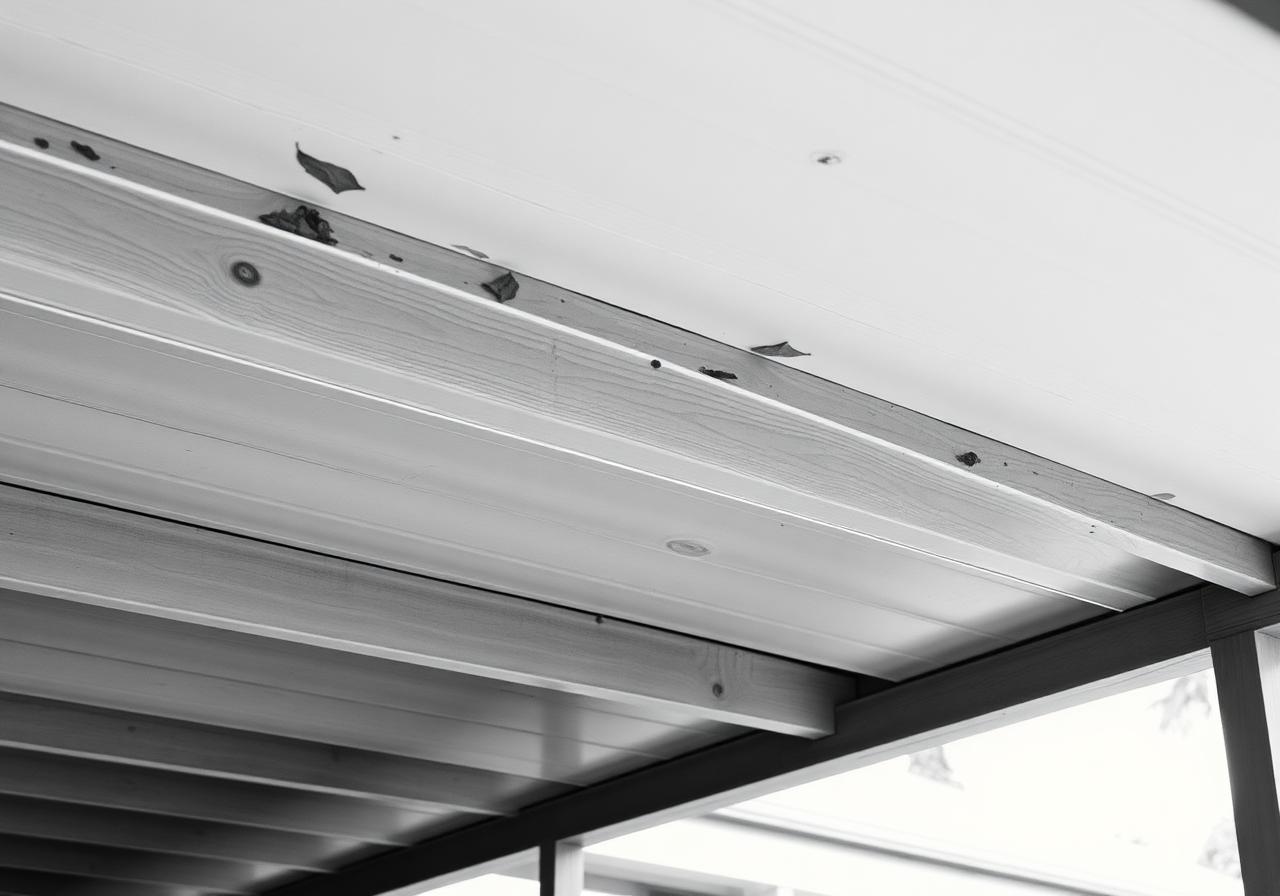
Subtropical humidity holding in north-east eaves. Early decay traced months before any visible activity.
Moisture pattern preceded the biological signal.
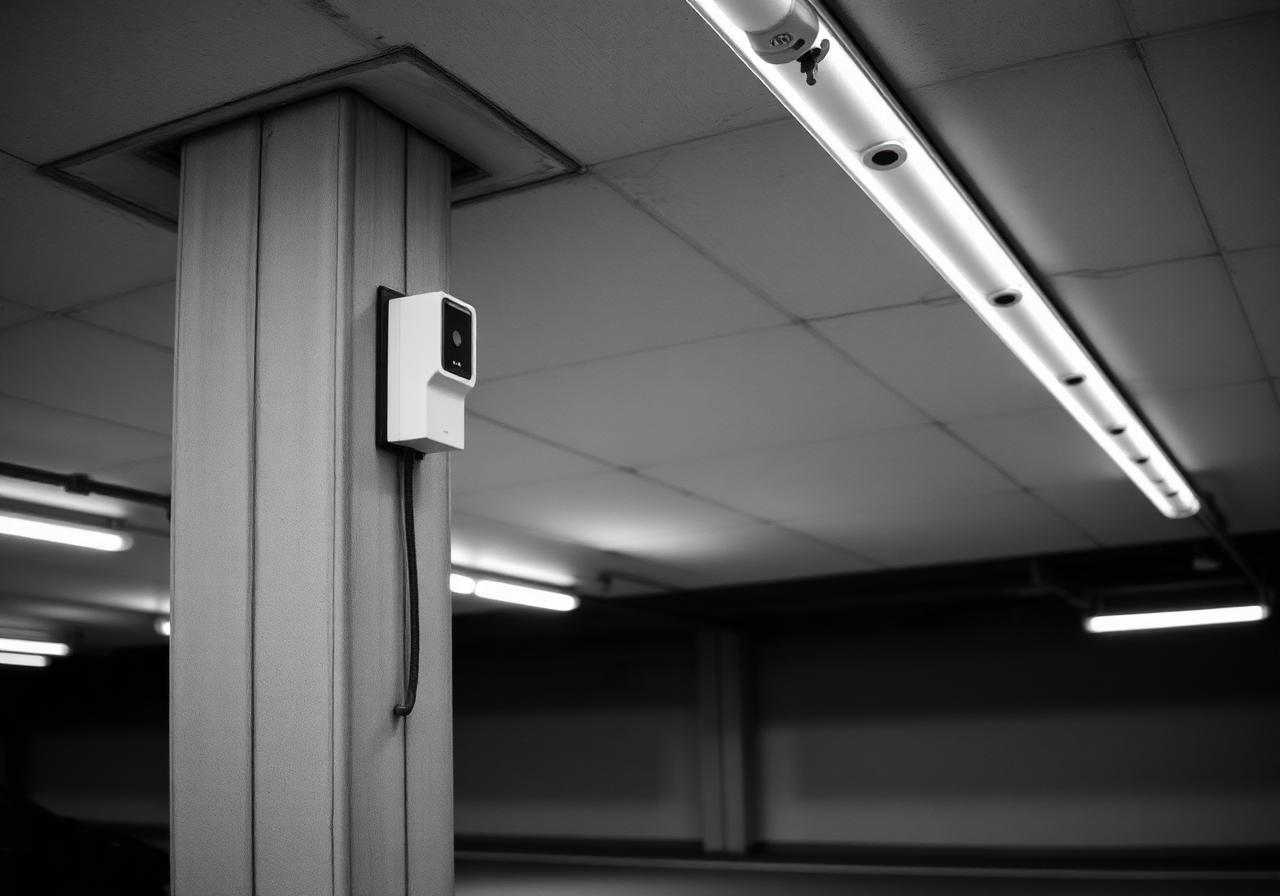
Continuous environmental sensing surfaced a microclimate that periodic inspections had never recorded.
Observation cadence, not effort, was the limiting factor.
We noticed the same pattern appearing in different places.
Read the full Journal →
The Framework emerged from years of practical pest management, where the same biological patterns kept appearing across very different buildings — and where the gap between what could be observed and what was operationally recorded became impossible to ignore.
Pest management is the origin of this work, not its destination. The founder is not leaving the discipline. The founder is expanding its operational context.
“The instruments already exist.
We're developing the vocabulary.”
A forthcoming publication examining how continuous biological observation may reshape facility operations, asset protection and environmental intelligence. Early readers and contributors are invited — facility professionals, technologists, researchers and asset stewards whose practice can help refine the work.
The Beacon Framework™ is intended to evolve through field observations, collaboration and continuous learning. Every project, every conversation and every new technology contributes another layer of understanding.